This Dating App Skips the Bio. It Reads Your Spotify Instead
Dating apps train you to judge people in seconds. Swipe left on the wrong shoes. Swipe right on a decent jawline. Then message “Hey” and watch the conversation die.
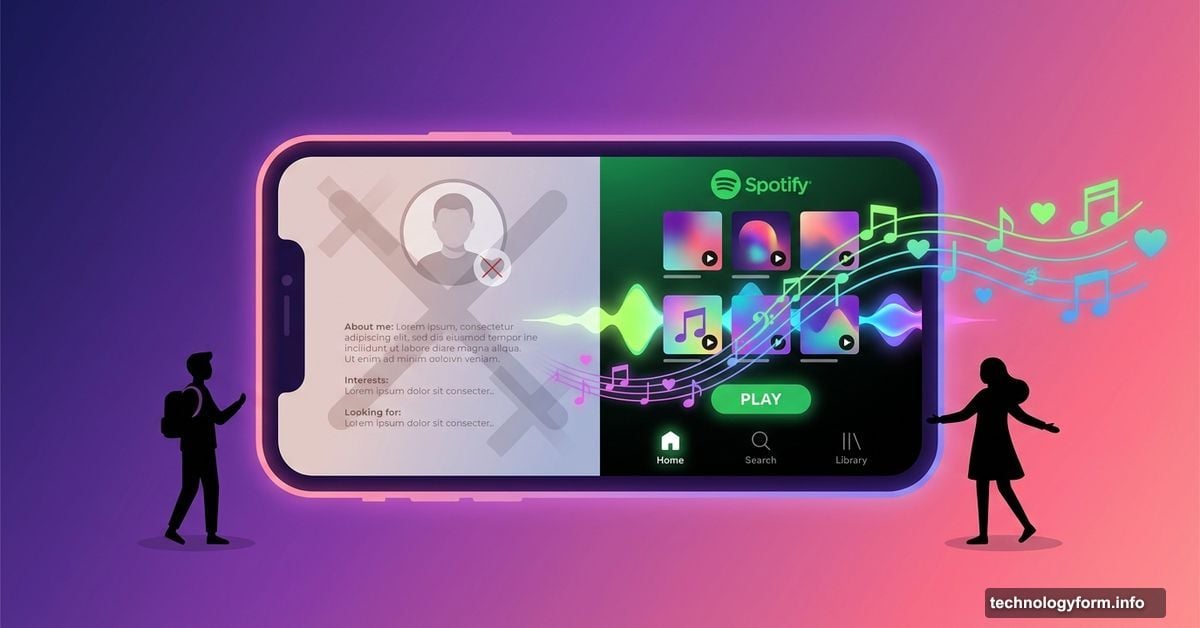
Vinylly throws out that entire playbook. No bios. No generic prompts asking about your favorite vacation spot. Instead, it connects your Spotify and builds your entire profile around what you actually listen to.
Music reveals more than you think. Your top artists signal values, emotional patterns, even how you see the world. Vinylly treats those signals as data worth matching on.
Your Streaming History Becomes Your Dating Profile
Most dating apps give you 500 characters and six photos to compress your entire personality. Vinylly founder Rachel Van Nortwick thinks that’s backwards.
“For a lot of people, music is their identity,” she said. “Showing yourself through your music DNA leads to deeper, more emotional conversations faster.”
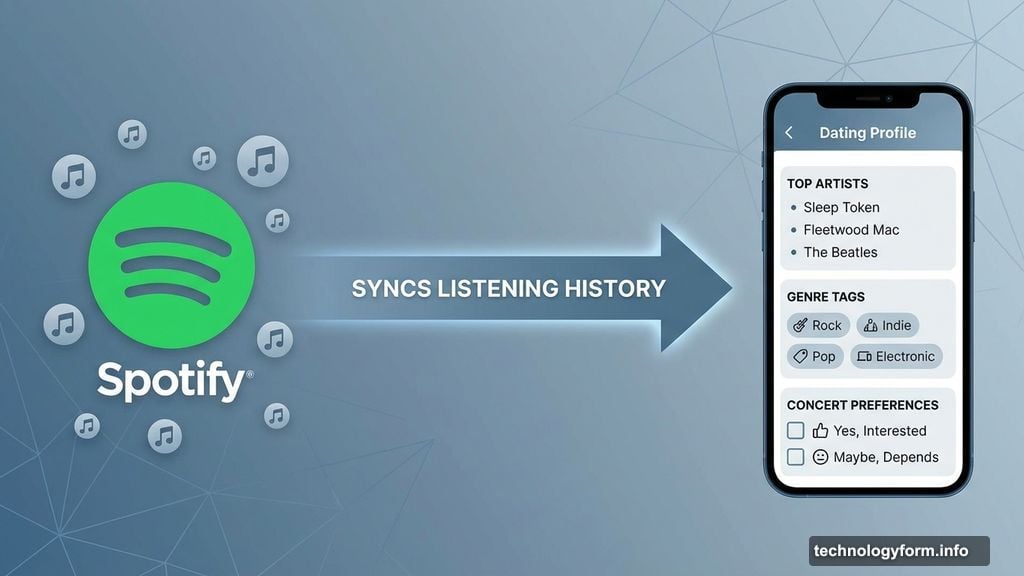
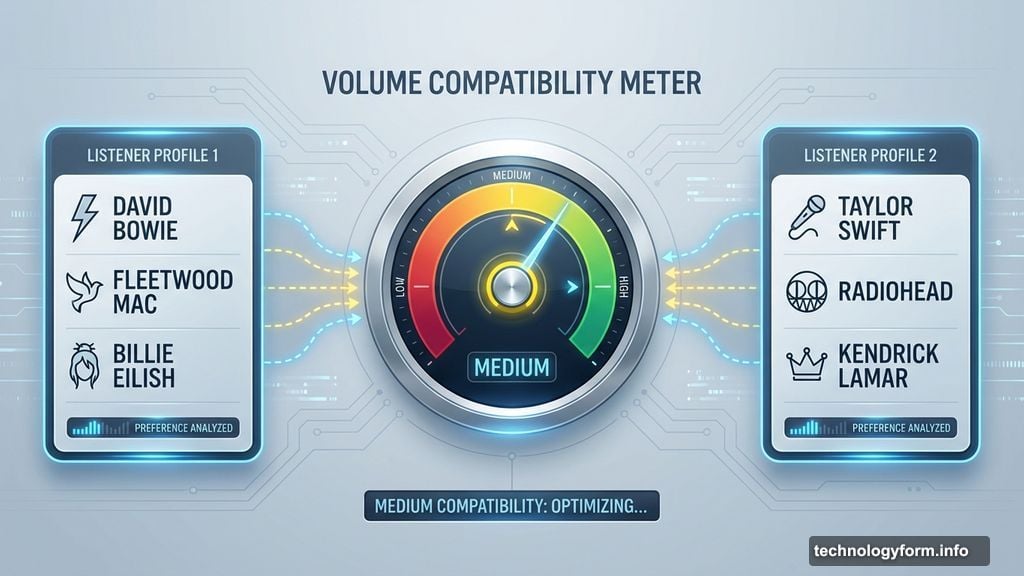
Here’s how it works. You sync your streaming service when you sign up. The app pulls your listening history and ranks potential matches by something it calls “volume.” That’s just compatibility based on taste.
Then you answer questions about concerts, favorite genres, and what role music plays in your life. No “I’m fluent in sarcasm” nonsense. Just honest questions about something you actually care about.
Your matches appear with their music profiles front and center. You can listen to their recommended tracks before deciding to connect. If their top artist is Sleep Token and yours is Fleetwood Mac, you’ll know before wasting time on small talk.
The Data Shows Clear Musical Divides
Vinylly analyzed 5,000 users over the past year. The patterns reveal sharp gender splits in listening habits.
Women gravitate toward David Bowie, Fleetwood Mac, The Beatles, and Billie Eilish. Men stream Taylor Swift, Drake, Radiohead, and Kendrick Lamar most often.
But some artists bridge the gap. Taylor Swift appears prominently for both groups. So does Radiohead. Van Nortwick calls Sleep Token a “bridge artist” because fans of the heavier band span gender lines.
These overlaps matter more than you’d expect. Shared musical touchstones function as connective tissue even when genres differ.
The app has about 100K downloads since launching in 2019. Users range from 18 to 45, though some stretch into their 70s. It works across the US, UK, and Canada.
Science Backs the Music-Connection Link
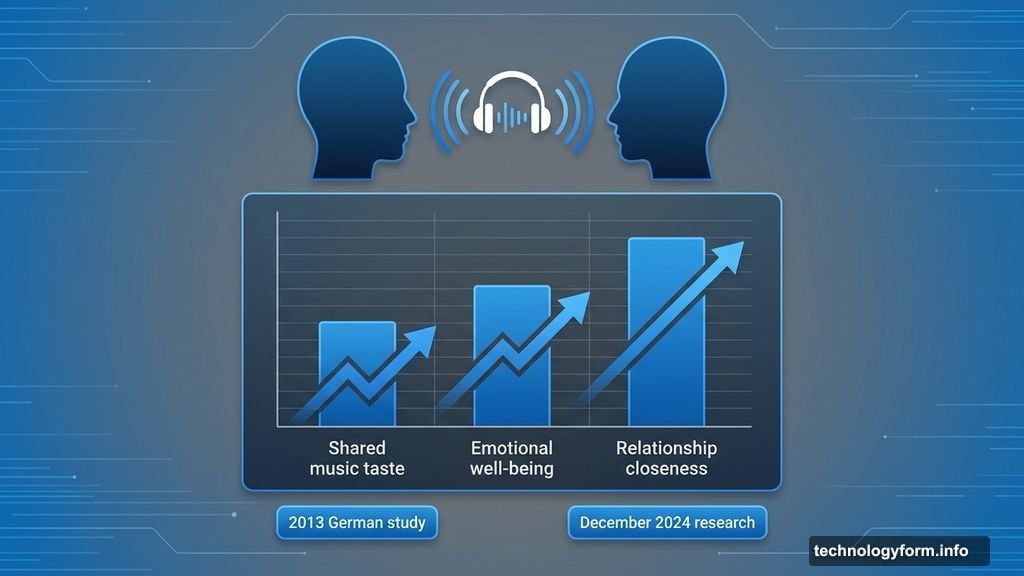
The idea sounds intuitive, but research supports it. A 2013 German study found that groups listening to music together report stronger cohesion and better emotional well-being.
More recent research from December 2024 shows shared music taste ranks among the strongest predictors of relationship closeness. It can actively increase intimacy between people.
There’s also evidence that music sparks social imagery in your brain. When you listen, you naturally think about connection and interaction with others.
Van Nortwick came from consumer tech marketing, not app development. She spotted a gap in the dating market and teamed up with developers to build Vinylly based on this research.
“Music improves communication within relationships,” she said. “It lowers the stress hormone cortisol, and it drives dopamine when you share music with someone.”
Music doesn’t just give you something to talk about. It literally changes how you feel and communicate. Vinylly positions itself as facilitating that process rather than replacing it.
AI Shows Up, But Stays in the Background
Every dating app now brags about AI features. Most use it to write your messages or generate profile prompts. Vinylly takes a lighter approach.
The app integrated ChatGPT in 2023, but not for automation. Instead, AI powers something called the Digital Cocktail Lounge. You blend two music genres, and the system generates a custom cocktail recipe you can share as an icebreaker.
“It brings it from a digital experience to something that feels more real life,” Van Nortwick said.
More ambitious AI features are coming, but with clear boundaries. Vinylly is developing an opt-in tool that suggests matches outside your usual filters. It finds patterns that lead to actual conversation, not just swipes.
The keyword is opt-in. Users control whether AI touches their experience.
“I strongly believe AI should be a copilot,” Van Nortwick said. “Not something that’s forced on users.”
That philosophy contrasts sharply with mainstream apps where algorithmic decisions stay hidden and AI creeps deeper into the platform without permission.
Music Talks When Words Fail
Van Nortwick never had app development experience when she started Vinylly. She just knew the existing dating market was missing something obvious.
People already use music as social shorthand. Your favorite artist tells a story about you that a bio never could. A concert memory reveals more than listing your job title.
Traditional apps make you perform. Craft the perfect prompt response. Choose photos that project confidence. Pretend you’re constantly witty and adventurous.
Vinylly lets you show up as you actually are. Your messy, eclectic, deeply personal relationship with music becomes the conversation starter.
Plus, it cuts through the noise. When everyone on Hinge lists “traveling” and “good food” as interests, those data points become meaningless. But if someone’s top artist is Radiohead, that tells you something specific.
The app isn’t trying to replace human judgment. It’s giving people better information to make that judgment with. Your music library is honest data. It tracks what you turn to when you’re happy, sad, angry, or just need background noise while working.
That’s more revealing than any carefully curated photo set or rehearsed prompt response. Music doesn’t lie about who you are.