Former Googlers Built an AI Tutor That Kids Actually Want to Use
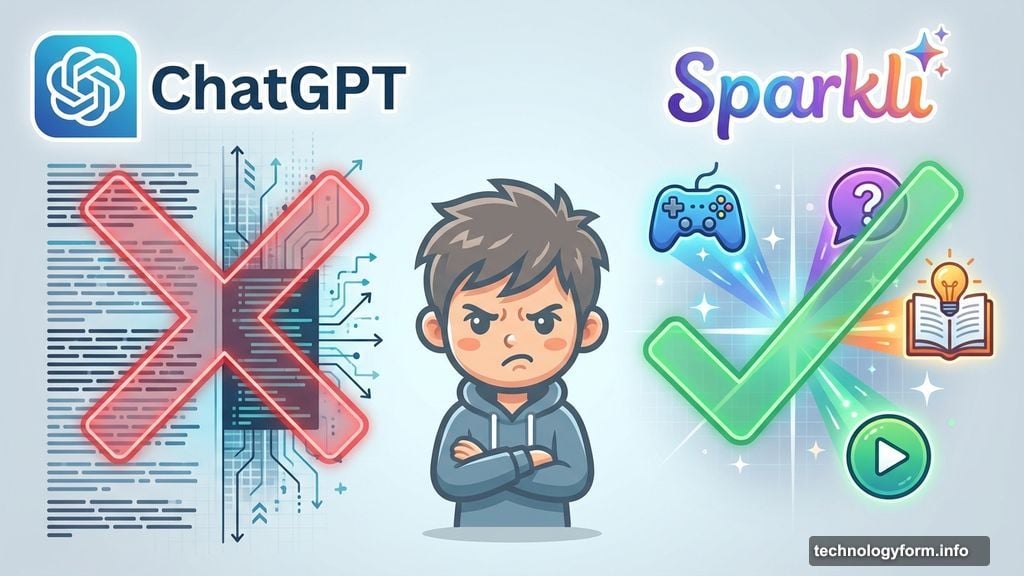
ChatGPT can explain how rain works. But try showing that wall of text to a six-year-old. Good luck keeping their attention.
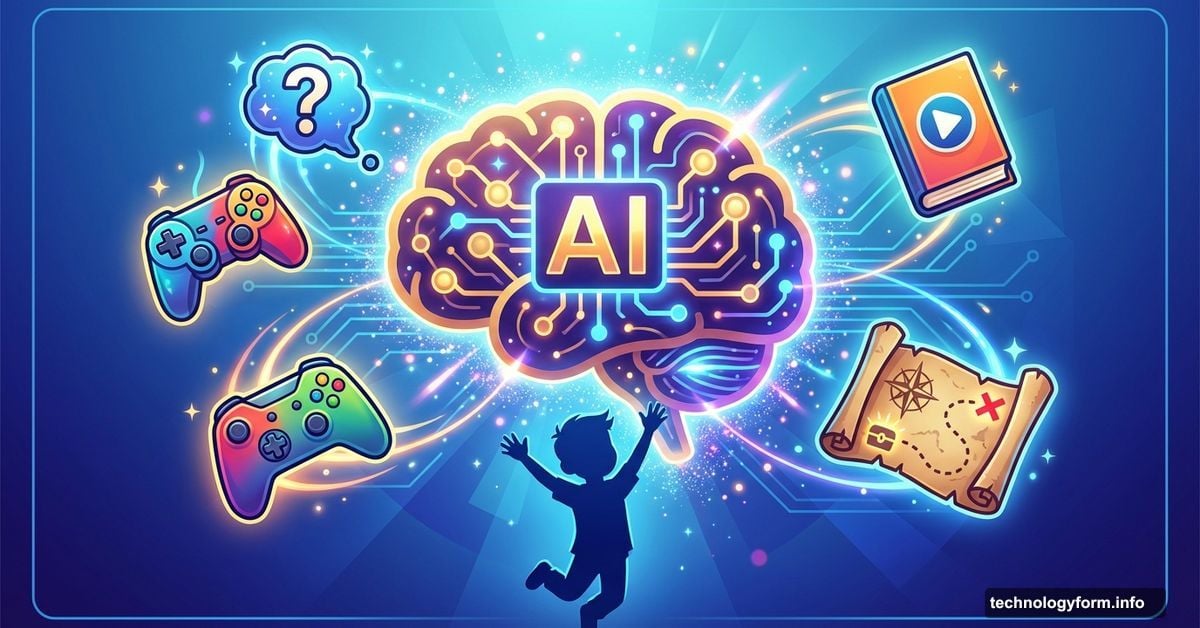
Three ex-Google employees faced this exact problem as parents. So they built Sparkli, an AI-powered learning app that turns curiosity into interactive adventures. Instead of boring text explanations, kids get quizzes, games, and choose-your-own-path stories.
The Problem With Text-Based AI Learning
Most generative AI tools weren’t designed for children. ChatGPT and Gemini spit out paragraphs. Kids want something they can touch, explore, and play with.
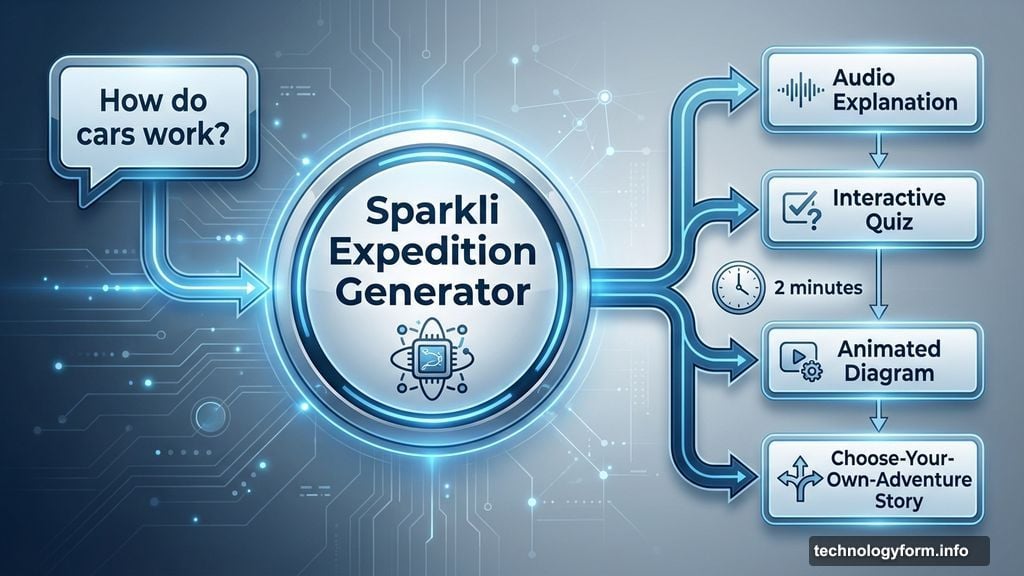
Lax Poojary, one of Sparkli’s co-founders, hit this wall when his son asked how cars work. He tried using ChatGPT to generate kid-friendly explanations. But even simplified text couldn’t compete with his son’s need for hands-on learning.
“Kids, by definition, are very curious,” Poojary explained. “What kids want is an interactive experience. This was our core process behind founding Sparkli.”
That insight drove the entire product. Instead of reading about Mars, kids can virtually explore it. Instead of memorizing facts about entrepreneurship, they can run simulated businesses.
From Google Area 120 to Independent Startup
Sparkli’s founding team brings serious product chops. Poojary and co-founder Myn Kang previously built Touring Bird and Shoploop at Google’s Area 120 incubator. Shoploop focused on video-based social commerce before Google shut it down.
The third co-founder, Lucie Marchand, served as Shoploop’s CTO. She later worked at Google before joining Sparkli full-time.
That experience building consumer products at Google taught them how to create engaging experiences. But it also showed them the limitations of big tech’s approach to education.
How Sparkli Creates Learning Expeditions
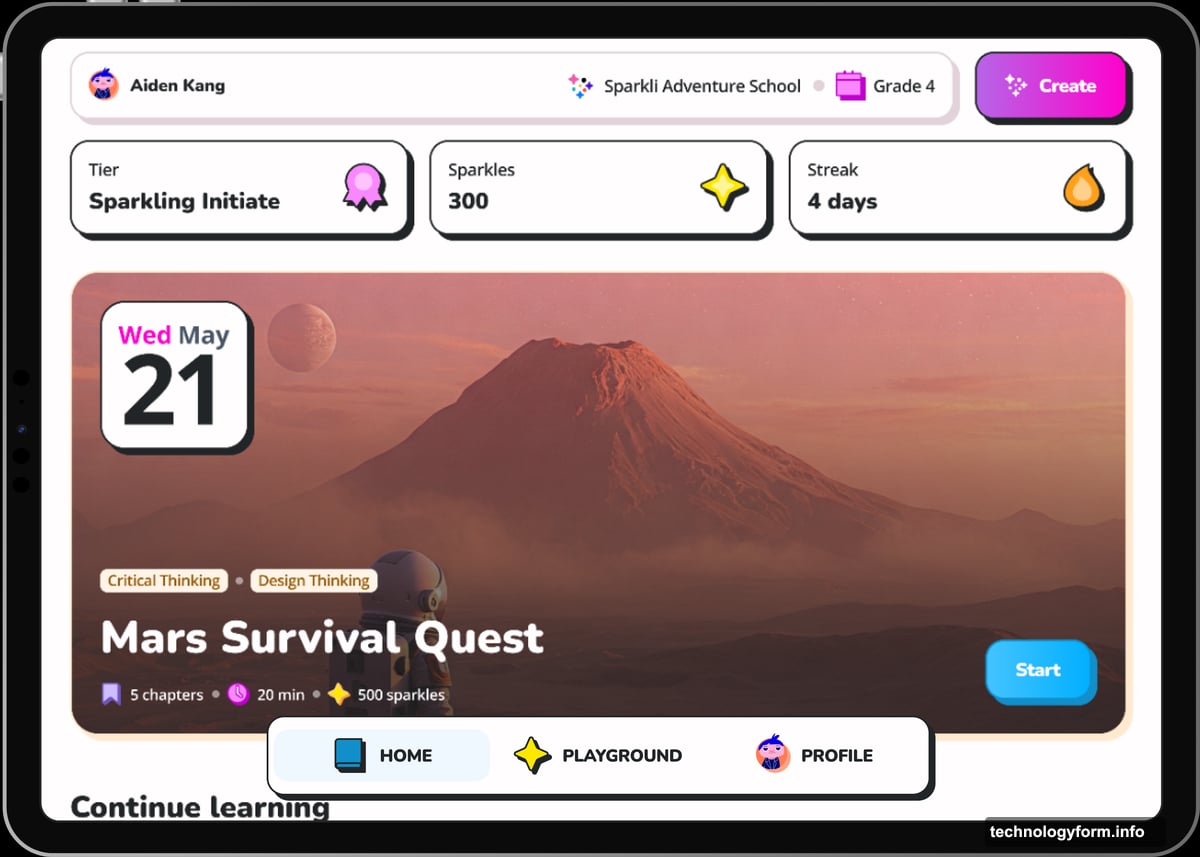
The app generates what Sparkli calls “expeditions” around specific topics. Kids can pick from predefined categories or ask their own questions. The AI then builds a custom learning path in under two minutes.
Each expedition mixes multiple formats. Audio explanations. Short videos. Interactive quizzes. Mini-games that reinforce concepts. Plus choose-your-own-adventure stories that adapt based on kids’ choices.
One expedition might teach financial literacy through running a virtual lemonade stand. Another explores Mars by letting kids navigate the surface. A third breaks down how cars work through animated diagrams kids can manipulate.
The company generates all media assets on the fly using generative AI. That means fresh content for every question, not pre-packaged lessons.
Making AI Safe for Kids
AI safety for children is no joke. OpenAI and Character.ai both face lawsuits from parents alleging their tools encouraged self-harm.
Sparkli took two steps to address this. First, they hired experts early. Their first two employees were a PhD in educational science and AI, plus an experienced teacher. That ensures content follows proper pedagogical principles.
Second, they built content guardrails. Sexual content gets completely blocked. But when kids ask about sensitive topics like self-harm, the app doesn’t shut down. Instead, it teaches emotional intelligence and encourages talking to parents.
Still, letting AI interact with children requires constant vigilance. The company acknowledges this responsibility upfront.
Schools Are Testing It First
Sparkli isn’t rushing to launch publicly. They’re piloting with an institute that operates a network of schools serving over 100,000 students. Last year alone, they tested in over 20 schools.
Teachers use Sparkli differently than expected. Some start class with expeditions to spark discussions. Others assign them as homework to let kids explore concepts deeper.
The app includes a teacher dashboard. Educators can track student progress, assign specific expeditions, and measure understanding. That data helps teachers identify which concepts kids grasp and which need more attention.
Poojary said teachers report positive results. Kids engage more with interactive lessons than traditional textbooks.
Target Audience: Ages 5-12
Right now, Sparkli focuses on elementary-aged children. The 5-12 age range represents peak curiosity plus enough reading ability to navigate the app.
The team took inspiration from Duolingo’s engagement tactics. Kids earn streaks for completing lessons daily. They collect quest cards based on their chosen avatar. Rewards encourage regular use without feeling like forced homework.
“We want to primarily work with schools globally for the next few months,” Poojary said. But they plan to open consumer access by mid-2026. Parents will soon download the app directly.
Topics Schools Don’t Teach
Schools often lag behind modern skills. Sparkli wants to fill those gaps with expeditions covering financial literacy, entrepreneurship, and design thinking.
Traditional education systems move slowly. Curriculum changes take years. Meanwhile, kids need practical skills for a rapidly changing world.
Sparkli can add new topics instantly. When a timely concept emerges, they create expeditions within hours, not years.
$5 Million to Scale Globally
Sparkli raised $5 million in pre-seed funding from Swiss firm Founderful. That makes it Founderful’s first pure-play edtech investment.
Lukas Weder, Founderful’s founding partner, said the team’s technical expertise convinced him. Plus the market opportunity is massive.
“As a father of two kids who are in school now, I see them learning interesting stuff, but they don’t learn topics like financial literacy or innovation in technology,” Weder explained. “I thought from a product point of view, Sparkli gets them away from video games and lets them learn stuff in an immersive way.”
That funding supports global school partnerships and consumer product development. The team is hiring more educators and AI specialists.
Why This Might Actually Work
Educational apps usually fail because they’re boring. Kids spot “edutainment” instantly and reject it.
Sparkli benefits from three advantages. First, the founding team knows how to build engaging consumer products from their Google days. Second, they hired educators before engineers to ensure pedagogical quality. Third, generative AI lets them create unlimited fresh content that never feels stale.
Most importantly, they’re not trying to replace teachers. They’re giving teachers better tools and kids more engaging ways to explore curiosity between classes.
Whether Sparkli becomes the Duolingo of interactive learning or just another forgotten edtech app depends on execution. But the approach makes more sense than showing six-year-olds walls of text from ChatGPT.