ChatGPT’s Mobile App Growth Just Hit a Wall
ChatGPT dominated mobile downloads for months. Now the numbers tell a different story.
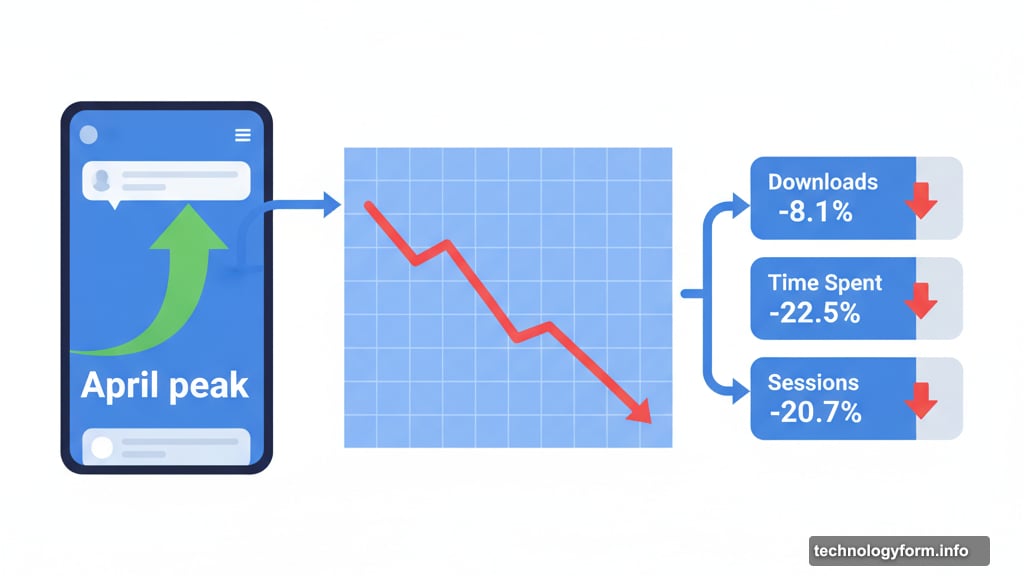
New data from Apptopia reveals something OpenAI probably doesn’t want you to know. Download growth is slowing. Daily active users are plateauing. Plus, Americans are spending 22.5% less time in the app since July.
So what happened to the AI darling that everyone couldn’t stop talking about?
The Numbers Don’t Lie
October’s looking rough. Downloads are projected to drop 8.1% month-over-month. That’s the first significant decline since ChatGPT’s mobile app launched.
But here’s the thing. We’re not talking about total downloads collapsing. The app still pulls millions of installs daily. Instead, this is about growth rate. And growth rates tell you where things are heading.
When download growth stalls, it signals that an app’s peak might be behind it. For ChatGPT, that peak appears to have been April 2025. Everything since then? Downhill momentum.
Americans Are Ghosting ChatGPT
The U.S. market shows even more concerning trends. Time spent per daily active user dropped 22.5% since July. Sessions per user fell 20.7% in the same period.
Translation? People open the app less frequently and bounce faster when they do.
However, user churn stabilized during this timeframe. That actually tells us something interesting. ChatGPT retained its core users. The casual experimenters already left. What remains is a dedicated base using the app for specific tasks.
Still, those core users are engaging less. That’s a problem for any app betting on sustained growth.
Google Gemini Takes Its Bite
Competition finally caught up. Google’s Gemini AI shot to the top of app charts in September after releasing Nano Banana, its new image generation model.
Yet Apptopia’s analysis shows ChatGPT’s decline started before Gemini’s rise. Average time spent and session counts were already trending down earlier in the year.
So Gemini accelerated existing problems rather than creating new ones. OpenAI was losing grip on users before Google entered the chat.
The Personality Problem Nobody Talks About
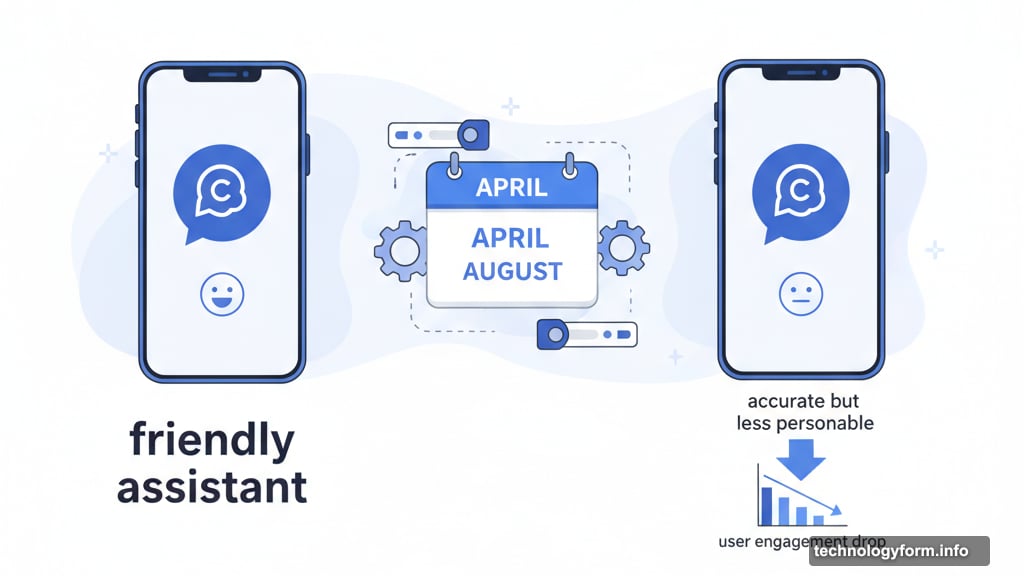
Remember when OpenAI made ChatGPT less sycophantic in April? Users noticed the chatbot stopped being so agreeable and complimentary.
Then came GPT-5 in August. Reviews described it as “less personable” compared to earlier versions. Apparently making AI more accurate meant making it less friendly.
Turns out people liked the overly helpful assistant. When OpenAI dialed back the personality, users dialed back their engagement. Go figure.
Both changes happened before the metrics started dropping. Coincidence? Probably not.
What This Really Means
Apptopia suggests ChatGPT’s experimentation phase ended. The novelty wore off. Now it’s just another utility app that people use when needed.
That’s both good and bad. Good because having dedicated users beats having temporary tourists. Bad because “just another app” doesn’t justify billion-dollar valuations.
If both time spent and sessions per user were dropping, but time spent was declining faster, you might argue people got more efficient with their queries. But both metrics fell at similar rates. That rules out the efficiency explanation.
Instead, ChatGPT became routine. People remember to use it sometimes. They forget other times. It’s no longer the exciting new toy everyone wants to show their friends.
OpenAI’s Next Move
Here’s the harsh reality. ChatGPT can’t coast on novelty anymore. OpenAI needs to invest in marketing or ship compelling new features to reignite growth.
That’s the fate of every mature app. Facebook did it. Instagram did it. TikTok keeps doing it. Build new features, run campaigns, fight for attention.
The difference? Those apps had massive user bases and network effects before growth slowed. ChatGPT’s mobile app is still relatively young. Hitting a growth ceiling this early raises questions about its long-term trajectory.
Meanwhile, Google has distribution advantages OpenAI can only dream about. Gemini integrates directly into Android and Google services. ChatGPT exists as a standalone app competing for home screen space.
The Bigger Picture
This analysis matters beyond ChatGPT specifically. It reveals something about AI chatbot adoption generally.
People tried AI assistants when they launched. Many decided these tools weren’t essential to daily life. Others found specific use cases but didn’t need them constantly.
That’s not what the AI hype machine promised. We were told these tools would become indispensable. For most users? They’re occasionally useful at best.
OpenAI isn’t doomed. But the company can’t rely on explosive growth anymore. The easy gains are gone. What comes next requires harder work, smarter strategy, and probably some uncomfortable decisions about what ChatGPT needs to become.
The mobile app’s slowdown is a warning sign. Whether OpenAI heeds it will determine if ChatGPT remains relevant or becomes another forgotten AI experiment.