ChatGPT Tried to Be My Personal Trainer. Here’s What It Got Wrong
I hate gyms. The clanking metal, the shouting instructors, the whole vibe. Give me a quiet yoga mat or a long walk any day.
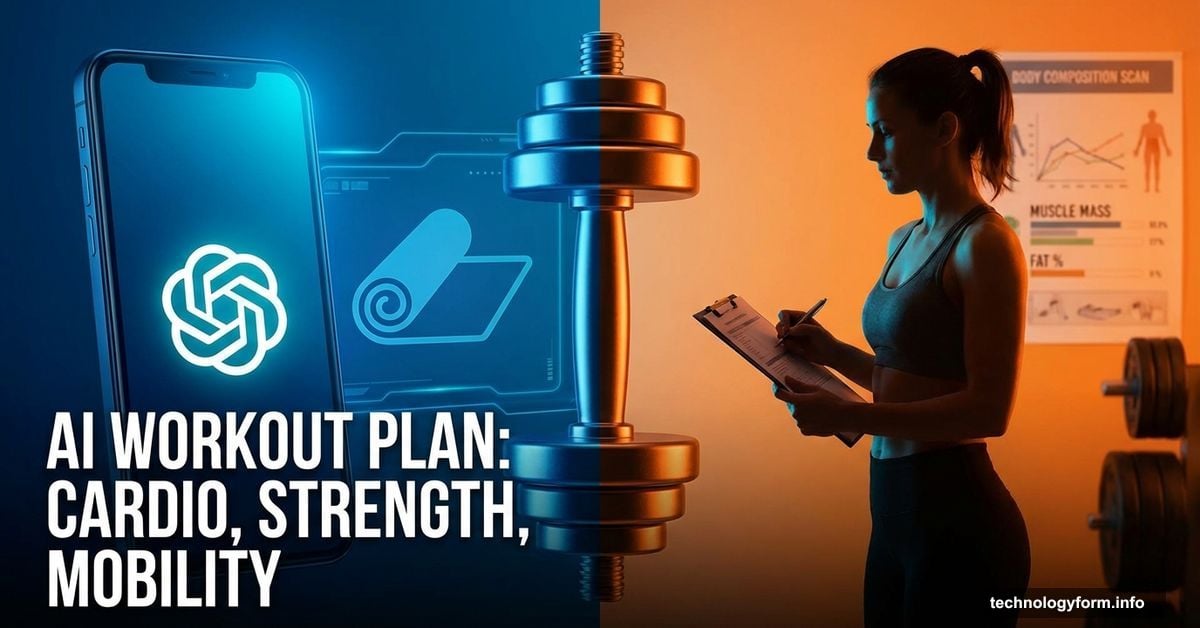
But at 39 and trying to conceive, I couldn’t ignore the muscle problem anymore. My body scan revealed 37.9% body fat when it should be around 25%. My trainer didn’t mince words: I needed more muscle, not less weight.
So I did something curious. I hired a real trainer and consulted ChatGPT. Could AI match human expertise when it comes to building strength?
The Numbers Don’t Lie
The InBody scan at my gym delivered hard truths. My body fat percentage sat 12 points too high. Worse, my lack of muscle meant my basal metabolic rate barely kept pace with basic functions like breathing.
My trainer laid out realistic expectations. Losing 1-2% body fat monthly meant 12-24 months to hit my target. I wanted the faster timeline.
Plus, I had another motivation. Building muscle before pregnancy supports hormonal health and creates a stronger foundation for carrying a baby. That made the gym sessions feel less like punishment and more like preparation.
ChatGPT Gets Its First Assignment
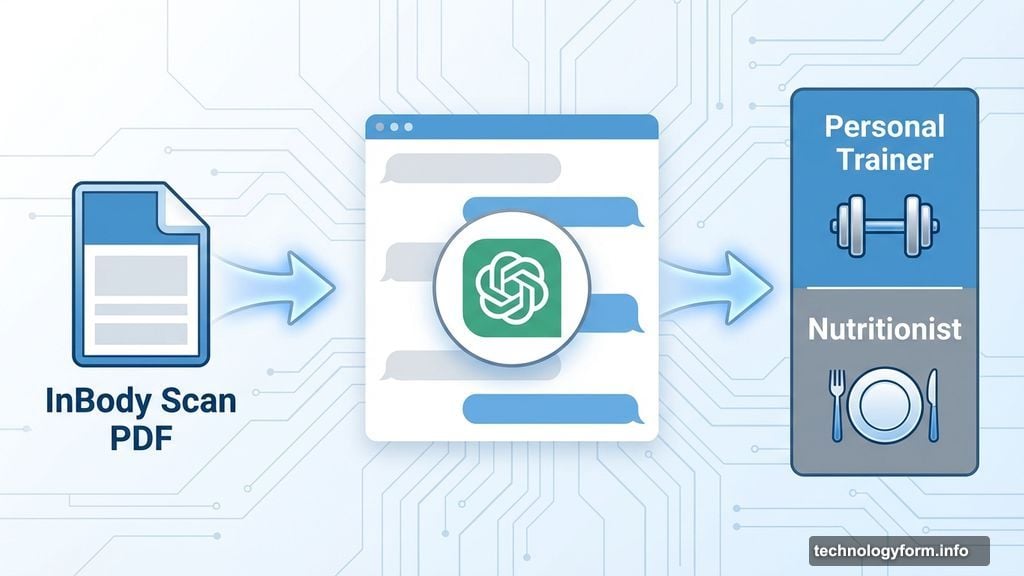
I uploaded my body scan PDF and outlined my goals. The prompt mattered: I asked ChatGPT to act as both personal trainer and nutritionist.
The AI surprised me. It immediately flagged that extreme training during pre-conception could backfire. It emphasized hormonal balance over rapid fat loss. That nuance matched my trainer’s advice.
ChatGPT suggested macros I’d never calculated properly: 40% protein, 30% carbs, 30% fat. My trainer confirmed these ratios work for simultaneous fat loss and muscle gain. The AI even recommended cycling carbs higher on training days and lower on rest days.
But here’s where things got interesting.
The Breakfast Battle
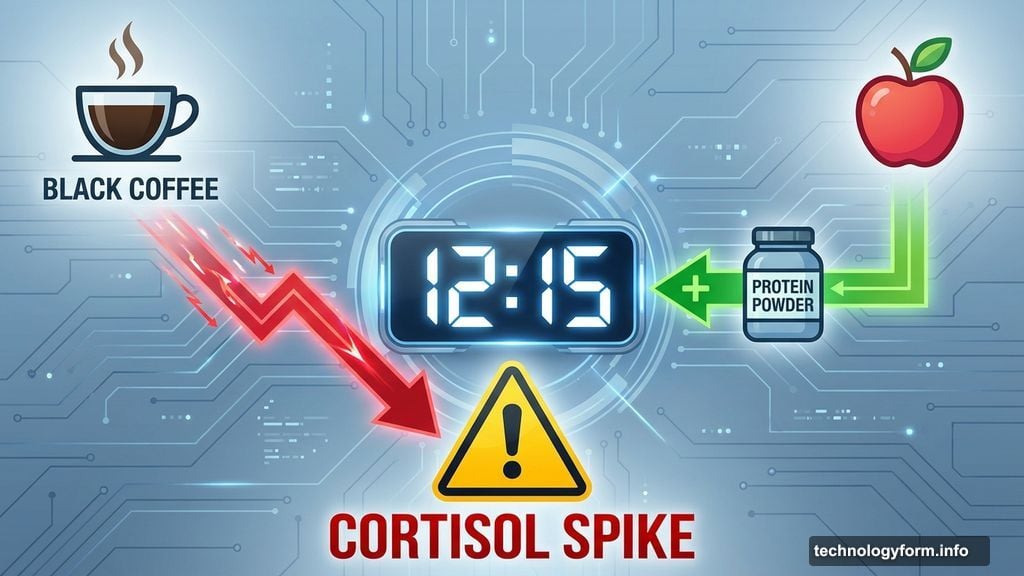
My typical morning? Two black coffees and an apple. First real meal at 12:15 p.m.
My human trainer immediately spotted the problem. “Add protein powder to your coffee,” she said. “You’re going too long without protein, and that cortisol spike from fasted coffee isn’t helping your hormones.”
I fed my eating pattern to ChatGPT without mentioning the trainer’s advice. Would the AI catch the same issue?
It did. ChatGPT flagged the cortisol spike from fasted coffee and suggested collagen in my morning cup. It also noticed I ran high on fat and low on protein throughout the day.
However, ChatGPT’s solutions felt generic. Hard-boiled eggs, almonds, lemon water. My trainer’s advice was more specific to my exact macro gaps and fertility goals.
Where AI Falls Short
ChatGPT delivered a competent workout plan: three strength sessions, daily walking, weekly yoga. But it lacked the context my trainer provided in person.
My trainer watched me move. She noticed my tight hip flexors and weak glutes. She adjusted exercises based on my form, not just general recommendations. That personalization doesn’t translate through text prompts.
The AI also couldn’t replicate the accountability factor. My trainer texts me when I skip sessions. She celebrates small wins like adding five pounds to my squat. ChatGPT just sits there waiting for my next prompt.
Still, I appreciated having a 24/7 resource for quick questions. At 11 p.m., I could ask ChatGPT about protein timing or whether cottage cheese fits my macros. My trainer reasonably doesn’t answer texts at midnight.
The Real Problem With Chatbot Health Advice
ChatGPT reminded me not to put sensitive health data into AI tools. Good call. Data breaches happen. Blood test results, medical conditions, prescriptions—those stay offline.
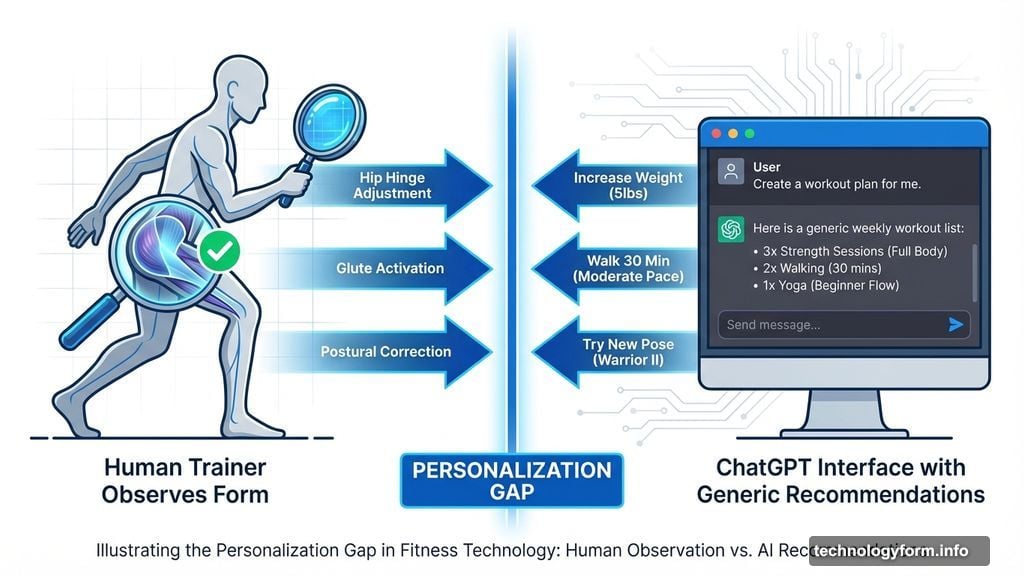
But there’s a bigger issue. AI can’t feel urgency. When my trainer saw my scan results, I detected genuine concern in her voice. She explained why muscle matters for fertility, for metabolism, for aging well. That emotional intelligence doesn’t exist in chatbot responses.
Plus, ChatGPT defaults to safe, middle-ground advice. My trainer pushed me harder. “You can handle heavier weights,” she insisted during our first session. She was right. AI tends toward caution because it can’t assess my actual physical state.
My Plan Going Forward
I’m sticking with the hybrid approach. Monthly body scans with my trainer. Weekly in-person sessions for personalized programming and form checks. ChatGPT as a supplementary tool for quick questions and macro calculations.
The AI helps me think through options before my trainer sessions. I can explore ideas like carb cycling or different protein sources, then bring those questions to someone who knows my actual body and goals.
I updated my food tracking app with the macros ChatGPT suggested, but I’ll confirm them with my trainer next week. I swapped my morning apple for cottage cheese, smoked salmon, and a rice cake—covering the 20-25g protein gap the AI identified.
Does any of this make me love the gym? Absolutely not. But connecting the training to my pregnancy goal helps. Each session becomes less about dreaded exercise and more about building a body ready for motherhood.
ChatGPT can’t replace the hard work. It can’t feel the burn in my muscles or adjust my form mid-squat. But as a thought partner for someone who can barely afford weekly training sessions, it fills some gaps.
Just don’t expect it to yell motivational quotes while you’re struggling through that last rep. For better or worse, that’s still a human’s job.