Microsoft Built Its Own Image Generator. It’s Already Winning
Microsoft just dropped MAI-Image-1, its first text-to-image generator built completely in-house. No OpenAI partnership this time. No borrowed tech from other companies.
This marks a major shift for Microsoft. Instead of relying on OpenAI or licensing technology from competitors, the tech giant created something from scratch. Plus, early testing suggests they nailed it on the first try.
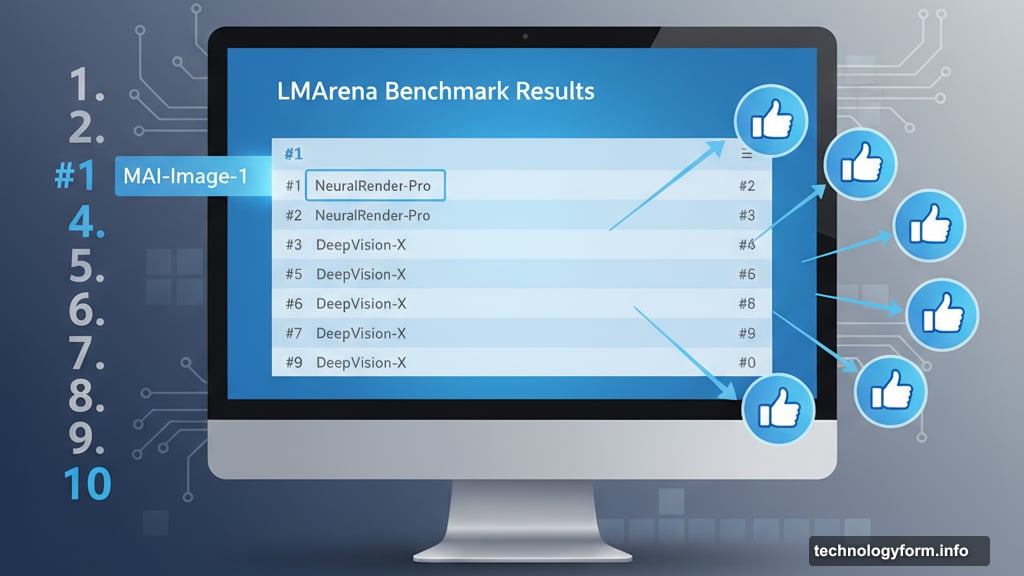
The model already landed in the top 10 on LMArena. That’s the benchmark site where actual humans compare AI outputs and vote on their favorites. For a brand-new model to compete with established players shows serious technical chops.
What Makes This Generator Different
Microsoft talked to creative professionals before building MAI-Image-1. They wanted to understand what frustrated designers and artists about existing tools.
The main complaint? Too many AI generators produce repetitive, generic-looking images. Everything starts looking the same after a while. So Microsoft focused on avoiding that trap.
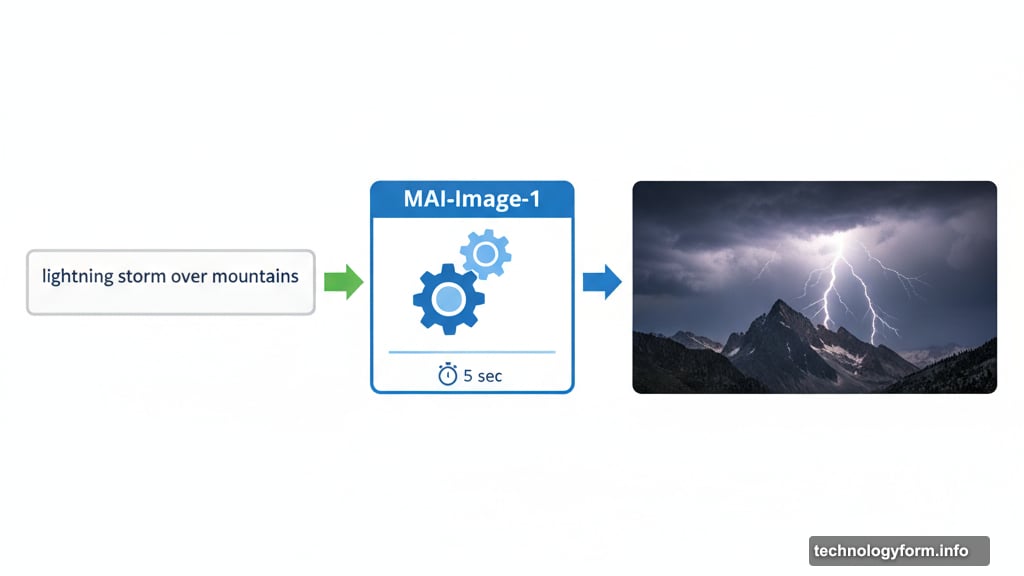
MAI-Image-1 excels at photorealistic imagery, according to the company. Lightning, landscapes, and similar natural subjects come out particularly well. The model processes requests faster than larger, slower competitors too.
Speed matters more than people realize. Waiting 30 seconds for an image tests patience. When you’re iterating on designs or exploring different concepts, faster generation means better workflow. So Microsoft optimized for quick turnaround without sacrificing quality.
Microsoft’s Growing Independence From OpenAI
This launch continues Microsoft’s trend toward AI independence. The company famously invested billions in OpenAI and integrated ChatGPT throughout its products. But that relationship grew complicated.
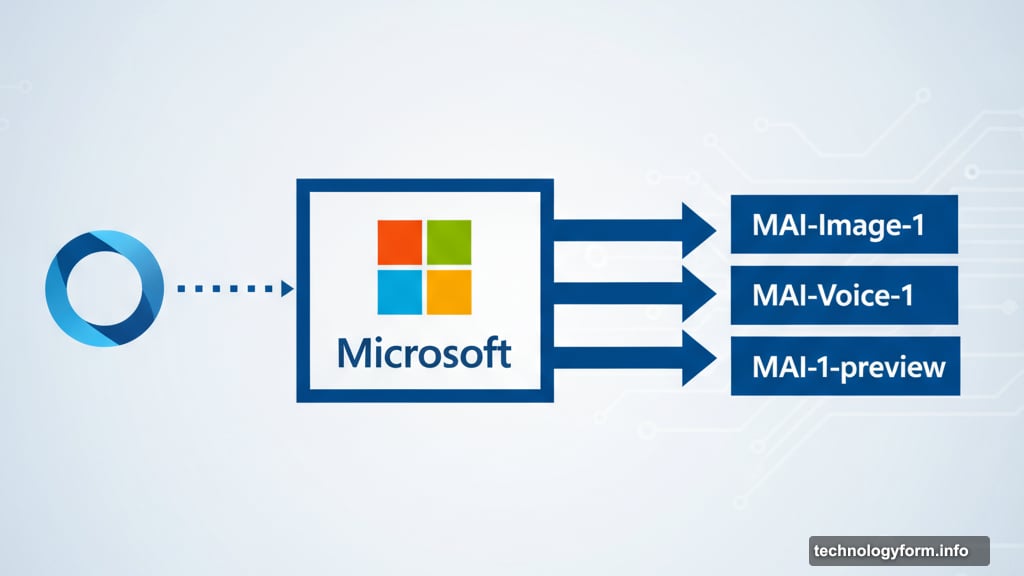
Microsoft recently started using Anthropic’s Claude models for some Microsoft 365 features. They’re making “significant investments” in training their own models across different categories. MAI-Image-1 joins MAI-Voice-1 (voice generation) and MAI-1-preview (chatbot) in Microsoft’s homegrown AI lineup.
Why the shift? Relying on one partner creates risks. What if OpenAI changes pricing or restricts access? What if their technology roadmap diverges from Microsoft’s needs? Building internal capabilities gives Microsoft control over their AI destiny.
Besides, Microsoft has the resources to compete directly. They’ve got compute infrastructure, research talent, and distribution through Windows and Office. Creating their own models makes strategic sense even if partnerships continue.
Safety Claims We Can’t Verify Yet
Microsoft promises MAI-Image-1 includes safety guardrails and “ensures responsible outcomes.” But we haven’t tested the system yet. So those claims remain unverified.
Every AI company says similar things about safety. Then users discover loopholes or edge cases that slip through filters. The real test comes when creative users push boundaries and see what gets blocked or allowed.
Some important questions need answers. Can it generate copyrighted characters? Does it refuse to create violent imagery? What happens when prompts reference real people? Microsoft will face these questions once the tool launches publicly.
The company learned hard lessons from past AI releases. Remember Tay, the chatbot that turned offensive within hours? Microsoft knows the stakes for reputation damage when AI behaves badly. So their safety systems probably reflect years of experience dealing with adversarial users.
The Image Generation Arms Race Heats Up
Microsoft’s entry intensifies competition in AI image generation. OpenAI’s DALL-E, Midjourney, Stable Diffusion, and Adobe Firefly already compete for users. Now Microsoft adds another option to the mix.
This competition benefits users overall. More options mean better features, lower prices, and faster innovation. Companies rush to differentiate and capture market share. So expect rapid improvements across all platforms as the arms race continues.
Microsoft has distribution advantages that startups lack. They can integrate MAI-Image-1 directly into Office applications, Windows, and Bing. Imagine generating images right inside PowerPoint or Word without switching applications. That seamless experience matters for mainstream adoption.
But quality determines long-term success more than distribution. If MAI-Image-1 produces inferior results compared to competitors, users will choose other tools regardless of convenience. Microsoft needs to prove their technology matches or exceeds alternatives on pure merit.
What This Means for Creative Professionals
Professional designers and artists face a complicated situation. AI image generators threaten some traditional work while enabling new possibilities. Microsoft’s focus on avoiding generic outputs suggests they understand this tension.
Good AI tools augment human creativity rather than replacing it. They speed up concept exploration, generate variations quickly, and handle tedious production tasks. But the final creative vision still comes from humans who understand context, emotion, and purpose.
Microsoft’s decision to consult creative professionals before building MAI-Image-1 signals respect for that reality. Whether the results actually serve professional needs remains to be seen. But at least they asked the right questions during development.
The speed advantage could particularly appeal to professionals with tight deadlines. When you need ten concept variations by tomorrow, faster generation makes impossible timelines manageable. So professionals might adopt MAI-Image-1 for practical reasons even if artistic merit matches competitors.
Microsoft built something powerful and put it in the ring with established players. Early benchmarks suggest they succeeded. Now we wait to see if real-world usage confirms the impressive debut.
The AI image generation landscape just got more competitive. That means better tools and more choices for everyone who creates visual content. Microsoft proved they can compete with the best. Now they need to maintain that momentum and prove it wasn’t beginner’s luck.