ChatGPT Can’t Handle These 11 Tasks. Stop Asking It To
ChatGPT seems to know everything. Until it doesn’t.
I use ChatGPT daily for meal planning and book discussions. It’s genuinely helpful for those tasks. But somewhere along the way, people started treating it like an oracle that never fails. That’s dangerous.
The problem isn’t just that ChatGPT gets things wrong. It’s that it sounds so confident while being completely incorrect. Even OpenAI executives admit you shouldn’t trust it as your primary information source. Yet people keep asking it to diagnose diseases, plan their taxes, and write legal documents.
Some questions are harmless. Others can wreck your life. Here are 11 things you should never trust ChatGPT to handle.
Medical Diagnoses Will Terrify You
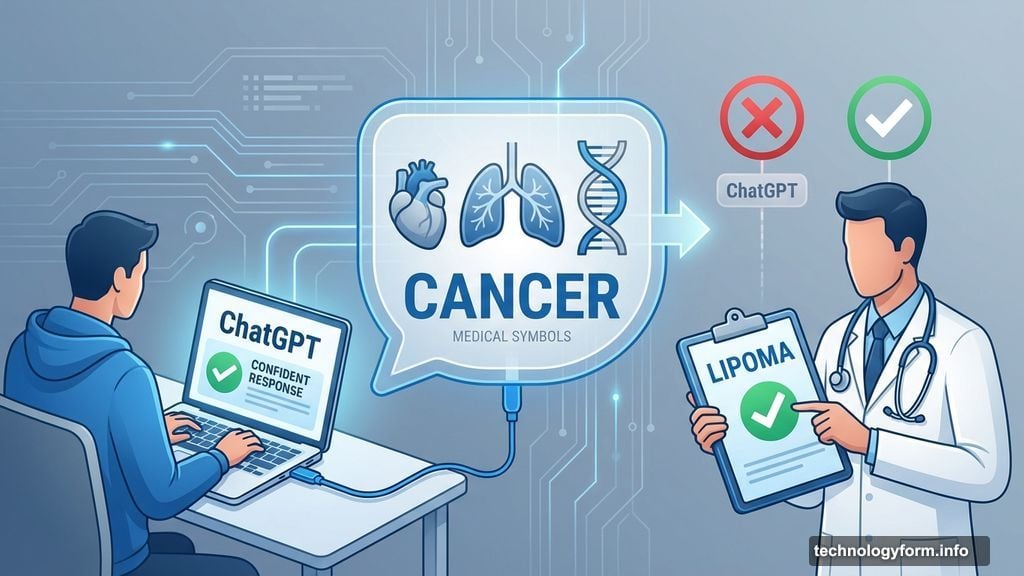
I typed “lump on chest” into ChatGPT once. It suggested cancer as a possibility. My actual doctor diagnosed a harmless lipoma that affects one in 1,000 people.
ChatGPT loves worst-case scenarios. Feed it your symptoms and watch it spiral from dehydration to terminal illness in three prompts. Plus, it can’t examine you, order blood work, or carry malpractice insurance.
So use it to prepare for appointments. Draft questions. Translate medical jargon. Organize your symptom timeline. But the moment you need a real diagnosis, close the laptop and call your doctor.
Mental Health Support Hits Its Limits Fast
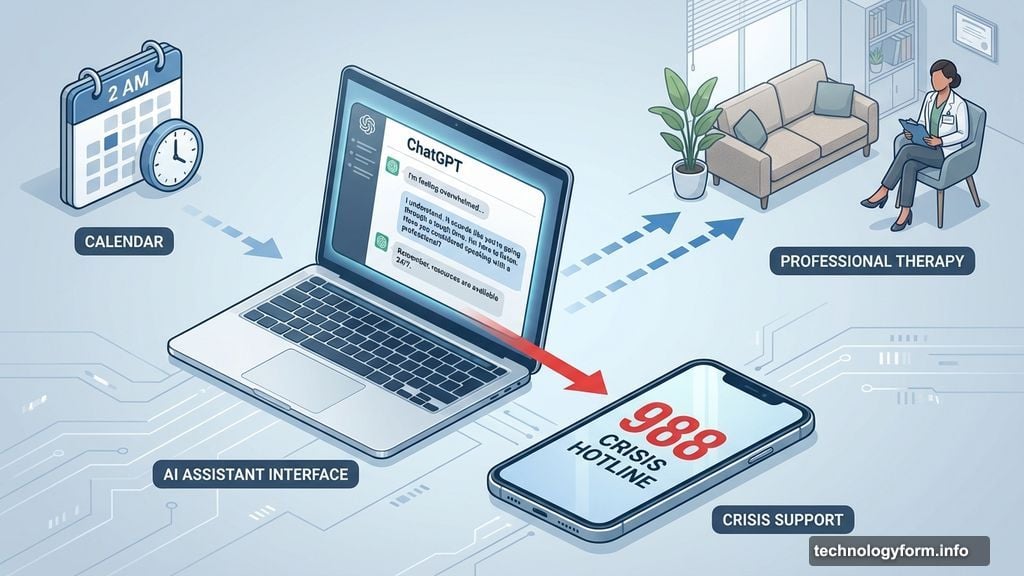
Some people use ChatGPT as a substitute therapist. I get why. Real therapy costs money and requires scheduling. ChatGPT is free and available at 2 a.m.
But it can’t read your body language. It doesn’t pick up on tone. It simulates empathy without actually feeling it. Worse, it has no legal obligation to protect you from harm.
A licensed therapist follows professional codes designed to keep you safe. ChatGPT operates on pattern recognition and statistical probability. That’s fine for brainstorming coping strategies. It’s catastrophic when you’re in crisis.
If you need real help, dial 988 in the US. Or find a human therapist who can do the hard, messy work AI can’t touch.
Emergency Situations Need Real First Responders
Your carbon monoxide alarm starts beeping. Do you open ChatGPT to ask if it’s dangerous? I hope not.
Yet people actually do this. They waste precious seconds typing prompts when they should be evacuating. ChatGPT can’t smell gas or dispatch emergency crews. It works only with the information you provide, which in an emergency is probably incomplete.
So treat ChatGPT as a post-incident explainer. Never as a first responder. Real crises need real humans with real authority to help.
Financial Planning Requires Current Data You Don’t Have
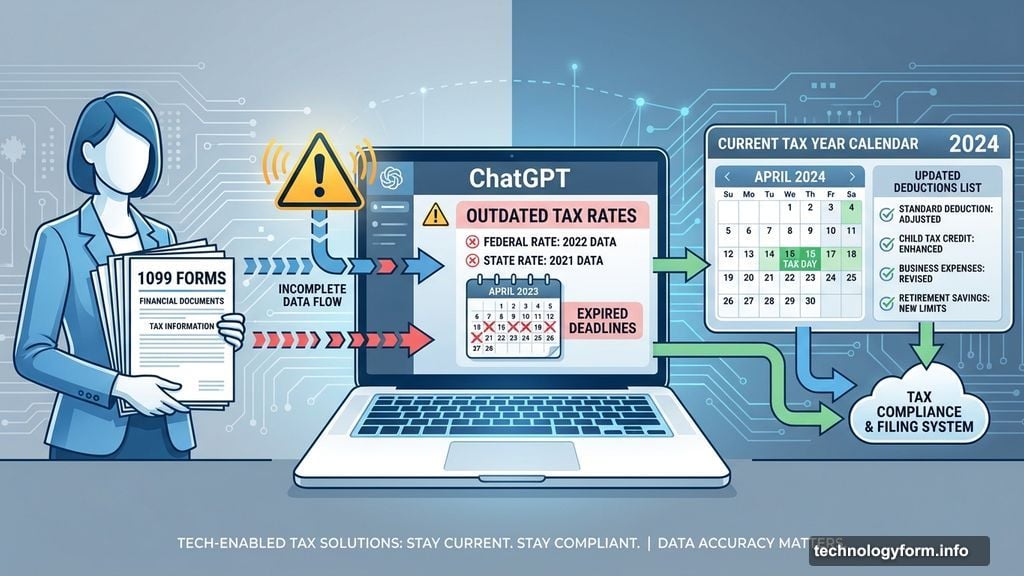
ChatGPT can explain exchange-traded funds. It cannot calculate your debt-to-income ratio or know your state tax bracket.
Plus, its training data cuts off before the current tax year. That means outdated rates, missed deductions, and potentially wrong guidance. I know people who dump their 1099 forms into ChatGPT for DIY returns. One missed deduction costs hundreds of dollars. One mistake triggers thousands in IRS penalties.
Also consider this: anything you share with ChatGPT probably becomes training data. That includes your Social Security number, bank routing information, and income details. Not exactly secure.
Hire a CPA. Pay for real advice. Save yourself the audit.
Confidential Data Leaves Your Control Immediately
I receive embargoed press releases daily. I’ve never considered pasting them into ChatGPT for summaries. Once that text hits the prompt window, it lives on third-party servers outside my nondisclosure agreement.
The same risk applies to client contracts, medical charts, and anything covered by HIPAA or GDPR. Your driver’s license, passport, birth certificate, and tax returns all qualify. Moreover, ChatGPT isn’t immune to security breaches.
If you wouldn’t paste it into a public Slack channel, don’t paste it into ChatGPT. Period.
Illegal Activities Are Still Illegal
This one needs no explanation. Don’t ask ChatGPT to help you break laws. It won’t work, and you’ll create a digital trail of your intent.
Academic Cheating Just Got More Detectable
I cheated on an AP calculus exam in high school using my iPod Touch. Not proud of it. But modern AI cheating makes that look quaint.
Professors recognize “ChatGPT voice” instantly now. Turnitin and similar tools catch AI-generated prose every semester. The consequences include suspension, expulsion, and professional license revocation.
Use ChatGPT as a study buddy. Not a ghostwriter. Besides, you’re only cheating yourself out of learning the material. That matters when you need those skills in real situations later.
Real-Time News Needs Manual Refreshes
ChatGPT Search can fetch fresh web pages and current stock quotes. But it won’t stream continuous updates automatically. Every refresh requires a new prompt.
So when breaking news matters, stick with live feeds, push alerts, and streaming coverage. ChatGPT works for quick fact checks. It fails at monitoring developing situations.
Gambling Predictions Are Pure Luck
I once hit a three-way parlay during March Madness using ChatGPT suggestions. I got lucky. I also double-checked every claim against real-time odds before placing bets.
ChatGPT hallucinates player statistics. It misreports injuries and win-loss records. It can’t predict tomorrow’s box score any better than flipping a coin. Don’t trust it to secure wins. You’ll lose money.
Legal Documents Need Actual Lawyers
ChatGPT explains legal concepts well enough. Want to understand revocable living trusts? Ask away. But the moment you ask it to draft binding contract language, you’re gambling with your future.
Estate law varies by state and sometimes by county. One missing witness signature invalidates your entire will. One omitted notarization clause gets your contract tossed in court.
Let ChatGPT help you build a question list for your lawyer. Then pay that lawyer to create documents that actually hold up legally. The consultation fee is cheaper than fixing botched paperwork later.
Art Creation Crosses an Ethical Line
This is personal opinion, not objective fact. But I don’t think AI should create art that people pass off as their own.
I use ChatGPT for brainstorming headlines and organizing ideas. That’s supplementation. It’s not substitution. There’s a massive difference between using AI to enhance your creative process and using it to replace that process entirely.
Creating art with AI and claiming it as your original work feels fundamentally dishonest. So use ChatGPT to support your creativity. Just don’t let it become your creativity.
The Real Problem Nobody Addresses
ChatGPT sounds authoritative even when it’s completely wrong. That’s the core issue here.
It doesn’t say “I’m not sure” or “You should verify this.” It presents hallucinations with the same confidence as verified facts. So users assume everything it says is accurate.
The solution isn’t avoiding ChatGPT entirely. It’s understanding its limitations. Use it for brainstorming, learning new concepts, and drafting initial ideas. But verify everything important. Especially anything involving health, money, or legal consequences.
Think of ChatGPT as a smart intern, not an expert consultant. It can help you work faster. It can’t replace professional judgment. Know the difference and you’ll be fine.