Google CEO Sundar Pichai: We’ve Moved Past Preparation Mode
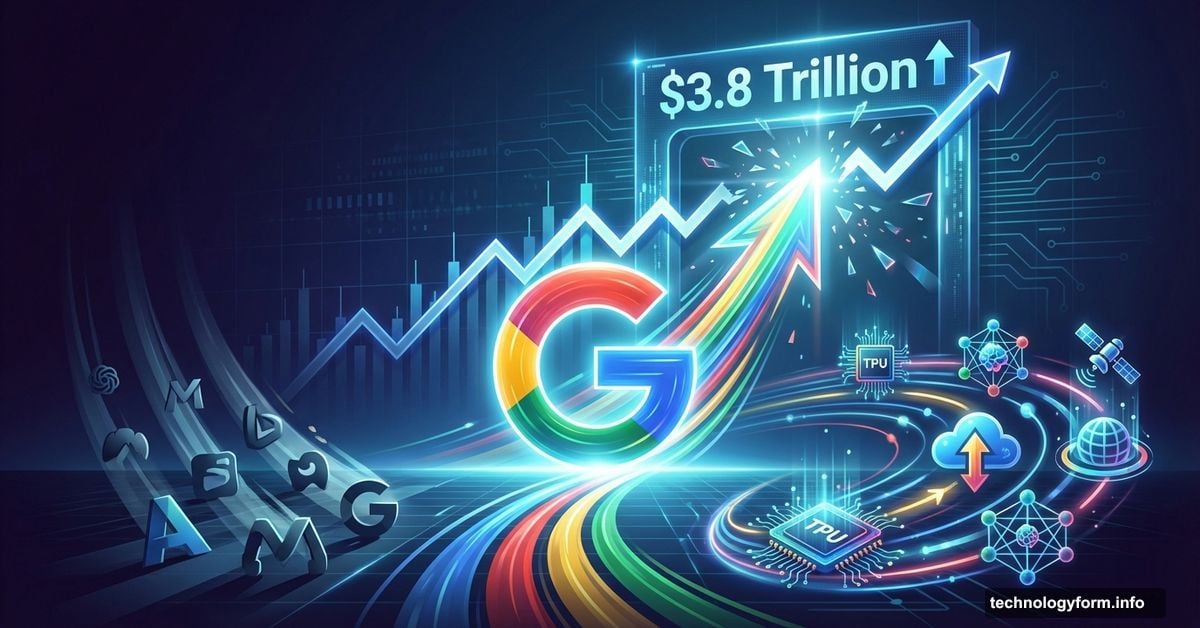
Google just delivered its biggest power play in years. While competitors stumbled through Q4, Alphabet’s stock surged past $3.8 trillion market cap.
CEO Sundar Pichai sat down with DeepMind’s Logan Kilpatrick after Gemini 3 launched. His message? The preparation phase is over. Google’s full-stack AI transformation is now accelerating across every product line.
For months, critics claimed Google was falling behind in the AI race. Turns out they were quietly building the foundation while everyone else chased headlines.
The Full-Stack Bet Finally Pays Off
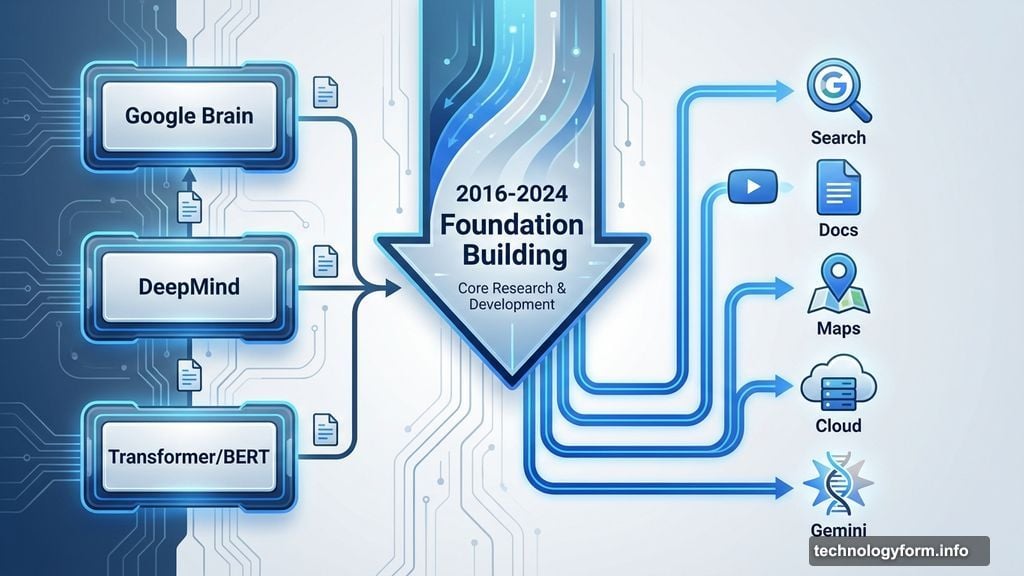
Pichai explained Google’s long game clearly. Back in 2016, he declared the company “AI-First.” Most people thought it was just corporate speak.
But Google was actually stacking building blocks. They merged Google Brain with DeepMind. They developed transformer technology and BERT. They deployed TPUs at scale. Then they integrated everything into search, YouTube, Docs, Maps, and cloud services.
“From the outside, you might have thought Google was quiet at the time, seemingly inactive and perhaps falling behind,” Pichai said. “But in reality, we were steadily laying a solid foundation.”
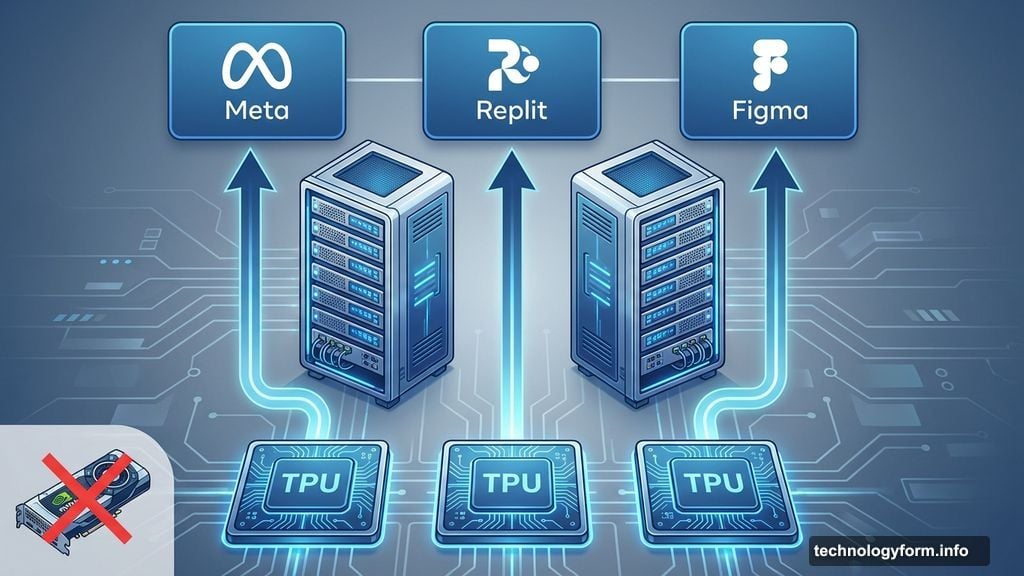
Now that foundation is paying dividends. Gemini powers improvements across all major Google products. Plus, it’s embedded in third-party platforms like Copilot, Replit, and Figma.
The synchronized release strategy marks a turning point. Instead of fragmented launches, Google now pushes updates across its entire product ecosystem simultaneously.
Infrastructure Becomes Competitive Advantage
Google Cloud Platform emerged as the quiet winner of 2024. While everyone obsessed over NVIDIA GPU shortages, Google’s TPUs attracted major customers looking for cost-effective alternatives.
Meta just signed a massive deal for Google’s custom AI chips. The competitive advantage comes from vertical integration—controlling everything from silicon design to model training to cloud deployment.
This matters because infrastructure constraints held Google back earlier. They needed enormous capital expenditure to scale data centers, TPUs, and GPUs. That investment period looked like stagnation to outsiders.
But now Google has the computational headroom to accelerate. Every product team can innovate faster because the infrastructure bottleneck disappeared.
Pichai compared it to Waymo’s trajectory: “What you’re seeing now is the worst performance you’ll ever see—it only gets better from here.”
Founders Return to Reignite Culture
Sergey Brin came out of semi-retirement to personally oversee Gemini development. His hands-on involvement bridged the gap from research to product to commercialization.
Pichai highlighted a telling detail. The Gradient Canopy office pantry became an informal hub where Brin, Demis Hassabis, Jeff Dean, and others gather to make espresso and discuss strategy.
“If there were one image to encapsulate Google’s culture, it might just be those people making coffee in the pantry,” Pichai said.
That startup-like density of talent and communication changed the company’s pace. Teams started shipping faster. The internal entrepreneurial spirit returned.
Larry Page remained mostly behind the scenes. Yet his influence shaped resource allocation for moonshot projects and long-term infrastructure decisions.
The founder effect matters more than people realize. When the people who built the company return with urgency, it cascades through the entire organization.
Vibe Coding Lowers Creative Barriers
Pichai sees generative AI tools creating a “YouTube moment for programming.” Just like video lowered barriers for content creators, AI coding tools let non-technical people build things.
He shared an example. A communications team member used Gemini to create an animated Spanish verb conjugation tool for her son. Previously impossible without coding skills.
Google noticed a measurable increase in first-time code submissions from employees. Marketing people now prototype their own demos instead of writing requirement documents.
“The world holds far more creativity than we ever imagined,” Pichai observed. “What we’re doing is providing them with a new set of tools.”
This extends beyond Google’s walls. Developers worldwide are building on Gemini through platforms like AI Studio. The velocity of external innovation rivals internal development speed.
Nano Banana Pro marks the transition from “fun” to “productivity enhancement.” Users create compelling infographics from complex analyses. Ben Gerin recently shared a core analysis visualization that drew readers into dense content through better presentation.
Long-Term Bets with Milestone Planning
Pichai thinks in decade-long time horizons. Ten years ago, Google bet on AI infrastructure. Now they’re betting on quantum computing and space-based data centers.
Project SunCatcher aims to deploy data centers in orbit. Sounds crazy until you consider future computational demand. Google broke the project into 27 milestones with a 2027 target for sending TPUs to space.
“Quantum computing might be as exciting as AI in five years,” Pichai predicted.
Other long-term projects include AlphaFold for protein folding, Wing for drone delivery, and advanced robotics initiatives. The approach stays consistent: start with a ten-year vision, then reverse-engineer achievable milestones.
This explains why Google sometimes appears slow to market. They’re building infrastructure for problems that don’t exist yet. When demand materializes, they’re already positioned to scale.
Financial Discipline Meets Growth
Google achieved something remarkable in 2024. They increased AI infrastructure spending while maintaining robust operating margins and announcing their first quarterly dividend.
The $70 billion stock buyback signaled maturity. Google transformed from a pure growth play into a cash-generating machine that funds future innovation through operational efficiency.
Berkshire Hathaway’s $4 billion investment in Q3 validated this shift. Warren Buffett doesn’t buy growth stocks—he buys businesses with durable competitive advantages and strong cash flows.
This financial discipline matters for long-term AI investment. Training frontier models costs hundreds of millions per run. Only companies with strong balance sheets can sustain that spending indefinitely.
What’s Next
Pichai emphasized the team needs rest after an intense release cycle. But the roadmap remains packed.
Gemini continues evolving with regular six-month upgrade cycles. Flash models will enable broader distribution at lower costs. The 3.0 Flash release targets maximum performance for developer adoption.
New products like Flow already attract dedicated communities. Reporters use it for interview outlines. PhD students conduct entire thesis research projects within the platform.
Google also faces challenges. AI-powered features consume compute resources that increase cloud bills. Data transfer fees rose 25-30% this year. Kubernetes overhead cuts into promised cost savings.
Yet the momentum shifted decisively in Google’s favor. The company that seemed threatened by ChatGPT now looks like the strongest AI infrastructure play among tech giants.
The preparation phase is over. Now comes execution at scale. Based on recent performance, Google built the foundation to sustain this pace for years.